Outdoor Furniture Care
A simple guide to keeping each material looking its best outdoors.
Jump to a material:
Powder-coated Aluminium Teak Outdoor Fabrics Weave Wicker Nardi Resin Shelta Umbrellas
Frames
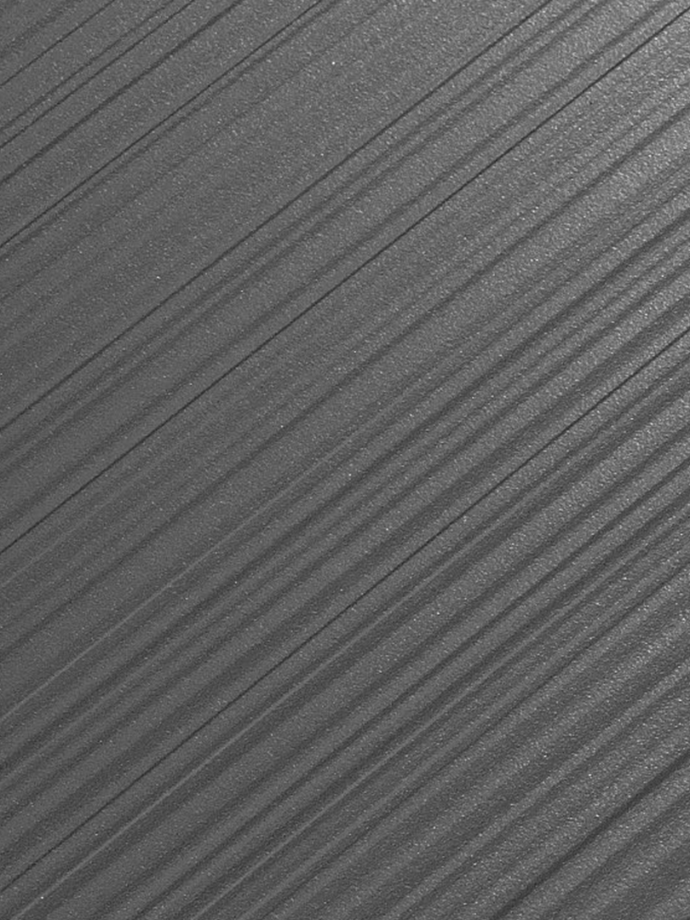
Powder-coated Aluminium
Aluminium is one of the best outdoor materials because it does not rust. Raw aluminium can still corrode in salty air, which is why we use a three-stage powder-coating process rather than leaving the metal exposed.
The first stage primes the frame so the finish grips properly. The second stage is the chip-resistant colour coat. The third stage adds UV stability, helping the finish hold up in full sun.
Care is straightforward. The surface is impervious to water, so a spray with the hose is easy and effective. For anything more stubborn, warm soapy water and a soft cloth will do the job.
Best Practice
- Rinse down frames near pools or coastal air.
- Use mild soap and a soft cloth for marks or residue.
- Avoid abrasive pads that can wear the finish.
- Touch up dirt early so it does not bake on in direct sun.
Timber
Teak
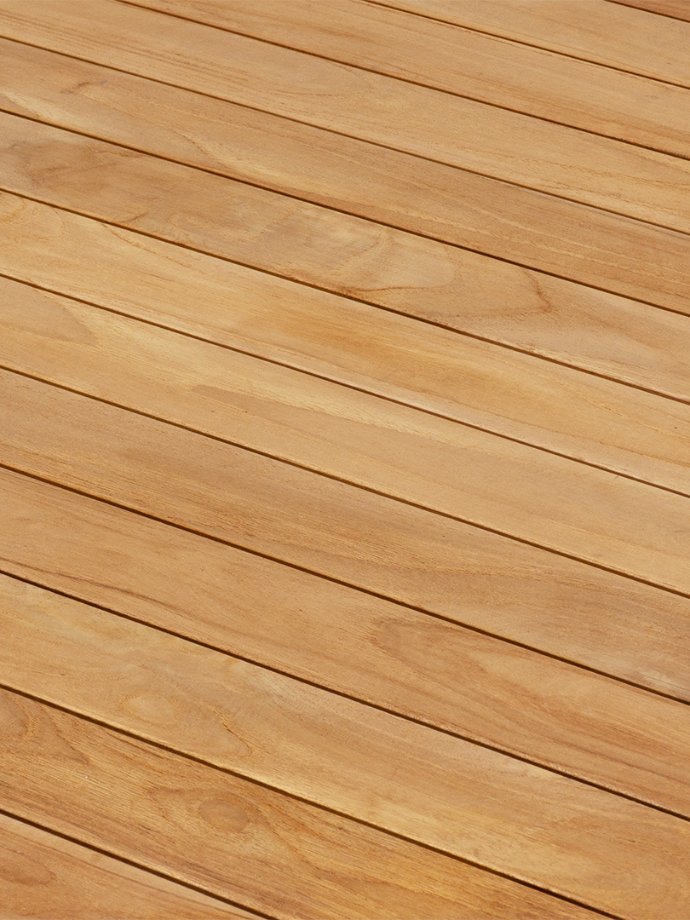
Teak is a hardwood with a naturally high oil content, which makes it exceptional for outdoor use. Even with little to no maintenance, it is known to last for decades in exposed conditions. With teak, the main decision is how you want it to look over time.
If left untreated, the surface gradually shifts from its warm raw tone to a silver-grey patina. Fine surface checks can open and close with the seasons. That movement is normal and does not compromise the structure.
Teak is also very forgiving. Most staining, greying and water marks are surface level, so even years later it can be brought back closer to its raw state.
Best Practice
- Wipe the surface down periodically with a damp cloth to keep it clean.
- Use a Teak Protector if you want to nourish the surface and maintain its tone.
- Use a Teak Shield after protection if you want more time to wipe spills before they mark.
- Use Teak Cleaner when you want to restore weathered teak closer to its raw state.
Products for protecting, shielding and restoring teak
Soft Finishes
Cushions, Ropes & Textiles
We use a mix of outdoor textiles across cushions, ropes and upholstered pieces. Depending on the range, that can include Olefin, Sunbrella or Sunproof. The common thread is that these materials are chosen because they are better suited to life outdoors than standard fabrics.
All of our outdoor fabrics can be cleaned with warm soapy water and a soft sponge, diluted bleach is suitable where needed. They are selected for strong fade resistance and everyday outdoor use.
Cushions are designed to handle outdoor conditions and dry quickly, but they will always stay fresher when chlorine, salt, sunscreen and general residue are not left sitting in the fabric. Let them dry properly before covering, stacking or storing.
Fade-resistant does not mean fade-proof. With enough years of direct Australian sun, subtle shifts in tone are still normal and expected.
Best Practice
- Clean with warm soapy water and a soft sponge for routine care.
- Use diluted bleach where needed for heavier marks or residue.
- Rinse chlorine, salt and sunscreen off early rather than letting them sit in the fabric.
- Let cushions dry properly before covering, stacking or storing.
Synthetic Weave
Rehau & Hularo Weave Wicker
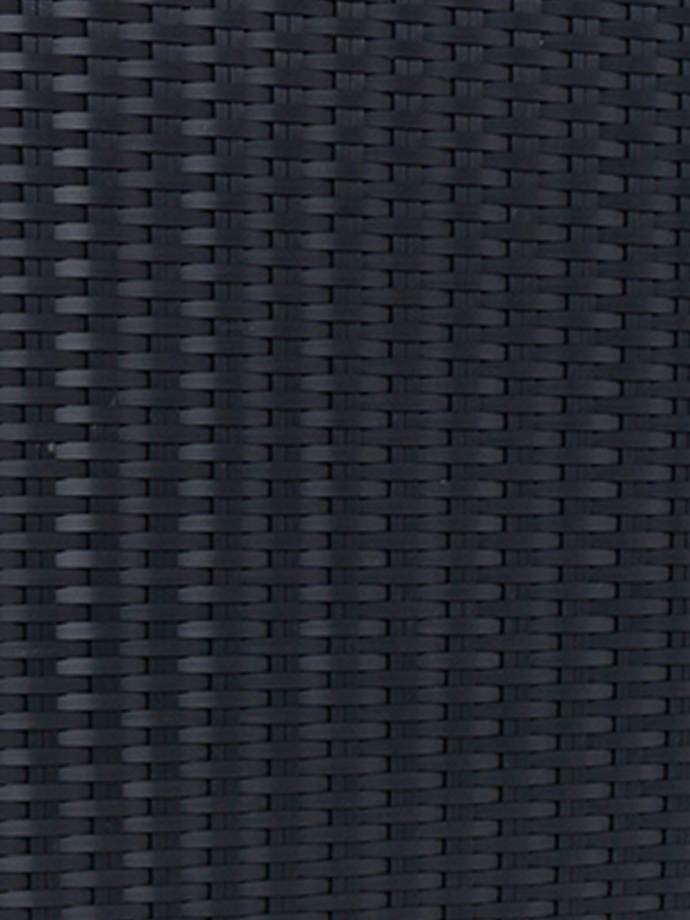
The wicker used in these ranges is synthetic weave, not natural cane. We use outdoor-grade woven materials such as Rehau and Hularo Weave Wicker because they are made for real exposure and hold up far better outdoors than natural fibre alternatives.
Because the weave is synthetic, upkeep is mostly about keeping dust, grit, chlorine and general residue from sitting in the texture. A soft brush, a hose and warm soapy water will handle most cleaning. Around pools and coastal areas, the same rule applies as everything else: a quick rinse now and then goes a long way.
The goal is simple. Keep the weave clean, avoid unnecessary abrasion, and let the material do what it was designed to do outdoors.
Best Practice
- Use a soft brush for dust in the weave
- Rinse after chlorine or salt exposure
- Avoid abrasive pads or aggressive scrubbing
- Do not drag wicker pieces across rough surfaces
Italian Resin
Nardi Resin Furniture
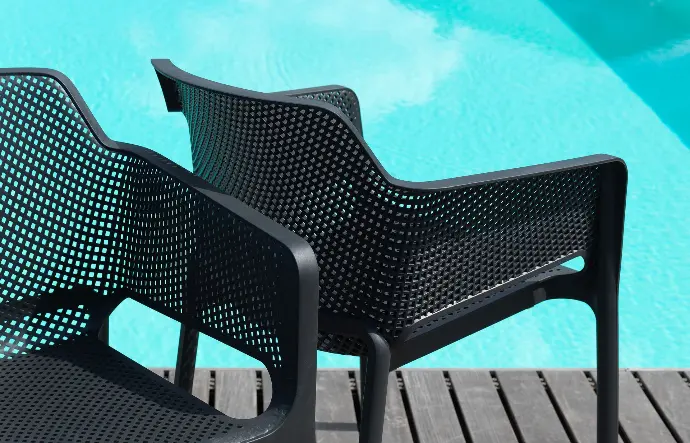
Nardi resin furniture is UV-stabilised and coloured the whole way through, rather than coated on the surface. That's why it holds its colour so well outdoors and stays looking vibrant with very little maintenance.
The surface is smooth, non-porous and easy to clean, so routine care is easy. In normal outdoor conditions, keeping it looking fresh is simply a matter of washing off dirt before it builds up.
For normal cleaning, wash with mild soap or a non-aggressive detergent, wipe with a soft cloth or sponge, then rinse well with clean water. On detailed areas or tighter spaces, a soft brush helps lift dirt.
Best Practice
- Rinse off dust, salt and surface dirt before it builds up.
- Clean with mild soap or a non-aggressive detergent and a soft cloth or sponge.
- Use a soft brush for perforations, grooves and tighter areas.
- For darker colours, shade will help preserve the finish for longer.
Shade
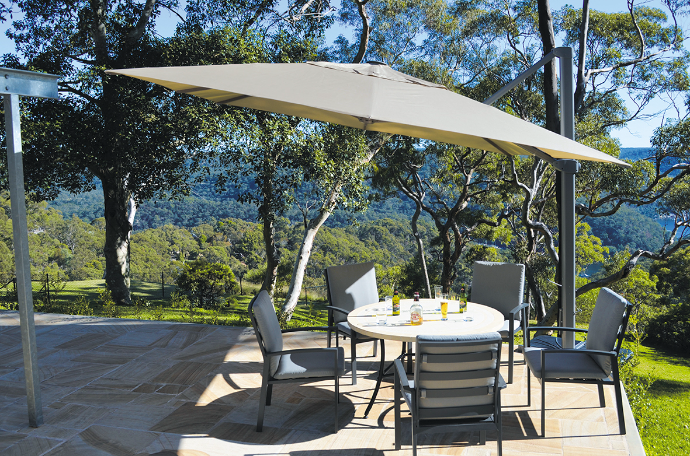
Shelta Umbrellas
Keep the canopy clean, close the umbrella when it is not in use, and protect it with the supplied sleeve or cover. If the umbrella is exposed to salt spray, chlorine or general pollutants, hose it down regularly with fresh water to keep residue from building up.
For spot cleaning, brush off loose dirt first, then use a diluted detergent, rinse thoroughly with fresh water, and allow the canopy to dry while partially open or fully extended. Do not close or store the umbrella while wet.
Best Practice
- Do not leave the umbrella up unattended or in anything more than a mild breeze.
- Hose with fresh water regularly if exposed to salt air or chlorine.
- Brush off dirt early and spot clean with a diluted detergent when needed.
- Allow the canopy to dry before storing.